
We Believe In Change
Many people have a story shaped by trauma, addiction and moments that convinced them change wasn't possible. But that isn't the whole story. When people are given space to process the pain they've carried, old patterns loosen and a second story emerges.
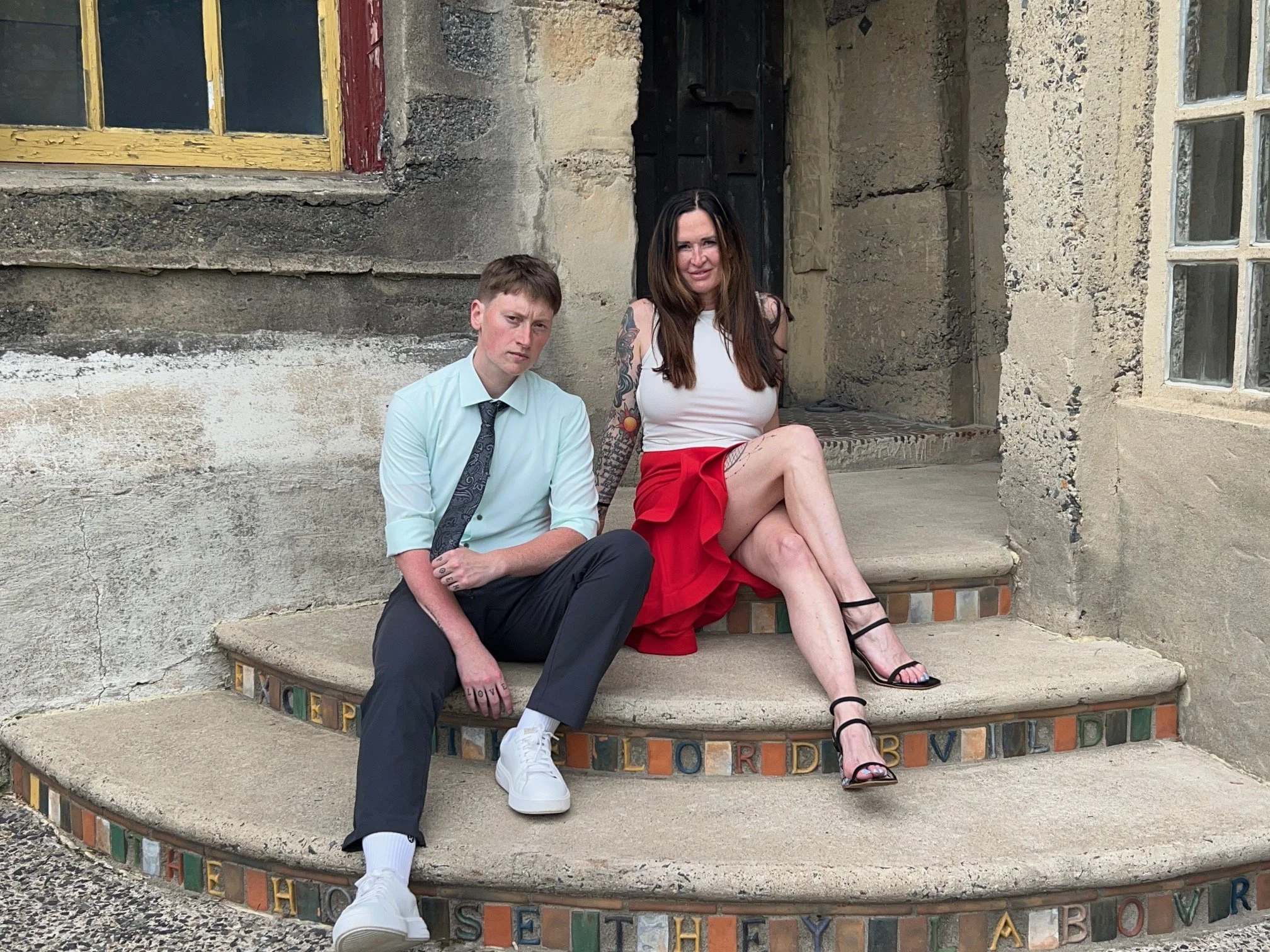
Our Founders
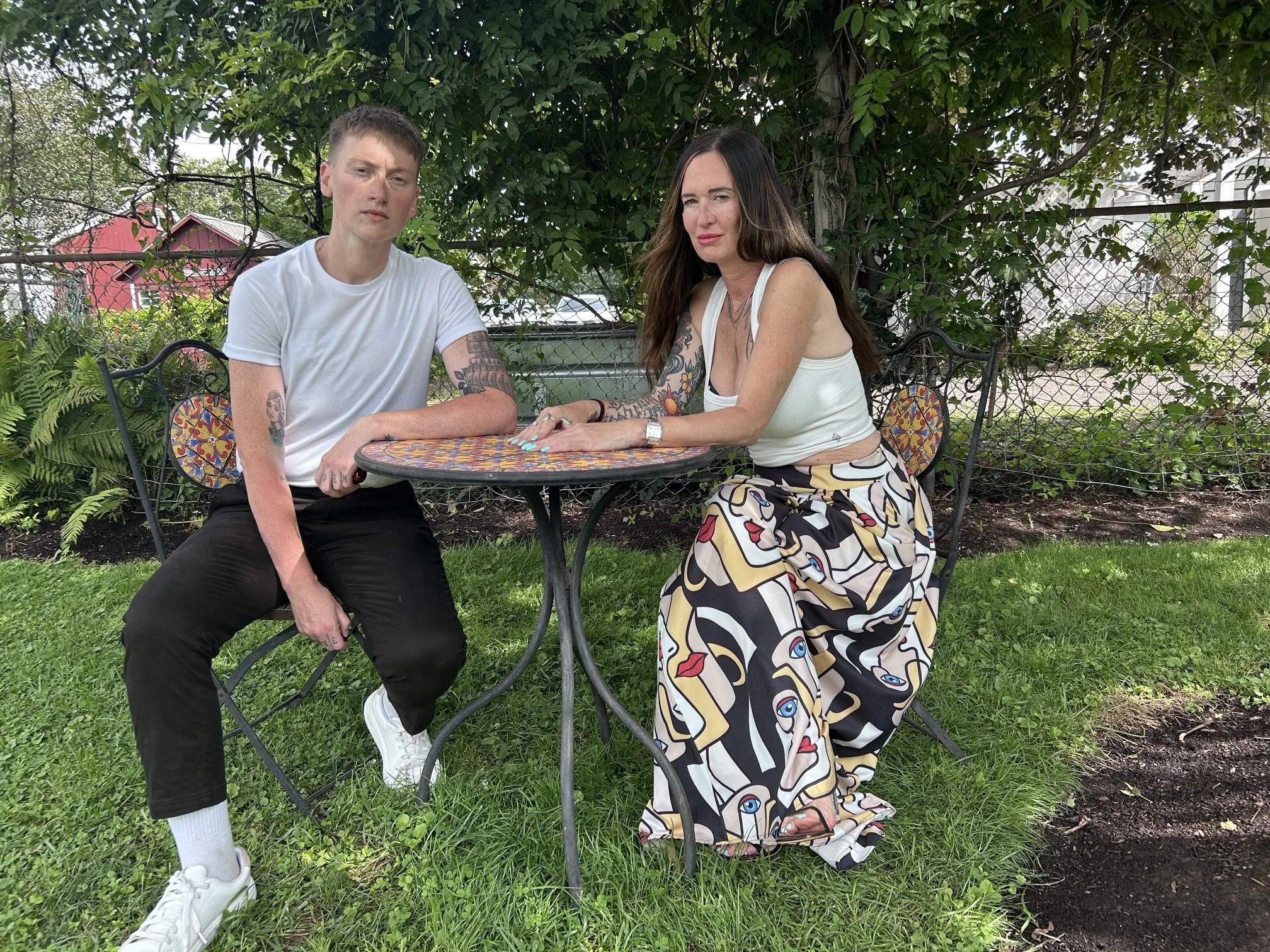
Kir O'Hanlon and Cristi Brown built Second Story Solutions out of a shared belief that the people most often written off are capable of extraordinary change. As people in recovery themselves, they know that belief isn't theory.
Their careers followed different paths: Cristi spent more than a decade helping individuals establish recovery, while Kir worked to address trauma, exploitation, and the systems meant to support survivors. But one day they realized they weren't just serving similar clients—they were serving the same people at different points in their journeys. Together, they bring lived experience alongside years of professional expertise, and a shared conviction that recovery is strongest when no one has to navigate it alone.
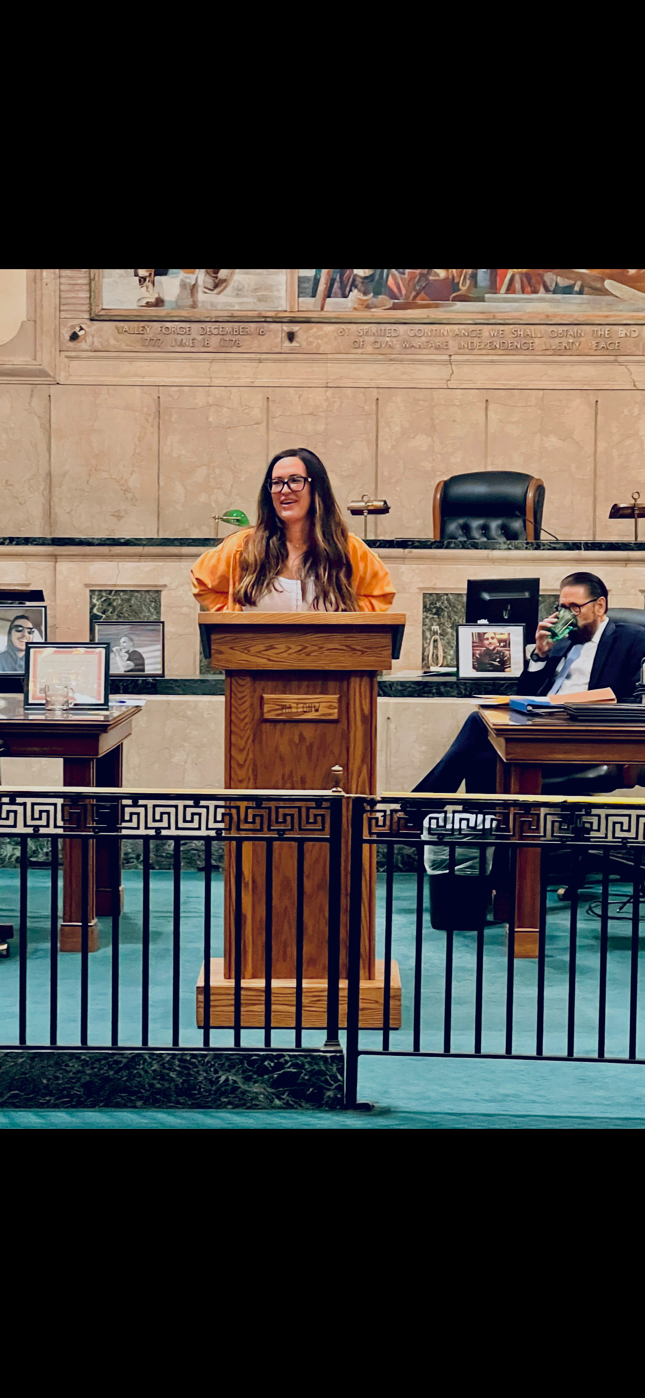
Meet Cristi
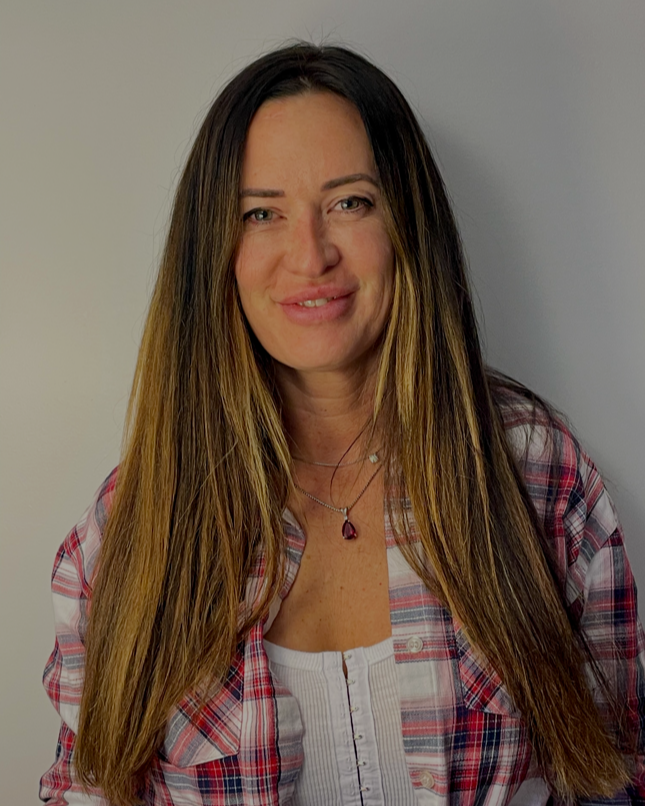
Cristi Brown is the heart of Second Story Solutions' recovery work. With more than a decade of experience as an addiction counselor, she has spent her career walking alongside individuals in early recovery as they rebuild their lives. What sets Cristi apart is her remarkable ability to truly see people—to meet them exactly where they are, without judgment, and help them recognize strengths they often can't yet see in themselves. Whether she's facilitating a group or sitting one-on-one with someone in their hardest moment, she brings a rare mix of warmth, honesty, and hard-won understanding to every relationship.
That understanding is personal. As a woman in recovery herself, Cristi knows what it's like to struggle, to doubt whether lasting change is possible, and to find her way forward with the support of people who refused to give up on her. She leads Second Story Solutions' Recovery Engagement services with a focus on accountability, connection, and long-term recovery—building the kind of authentic relationships that help people stay engaged long enough for recovery to become a way of life. For Cristi, this work isn't just a profession. It's a reflection of everything her own recovery has made possible.
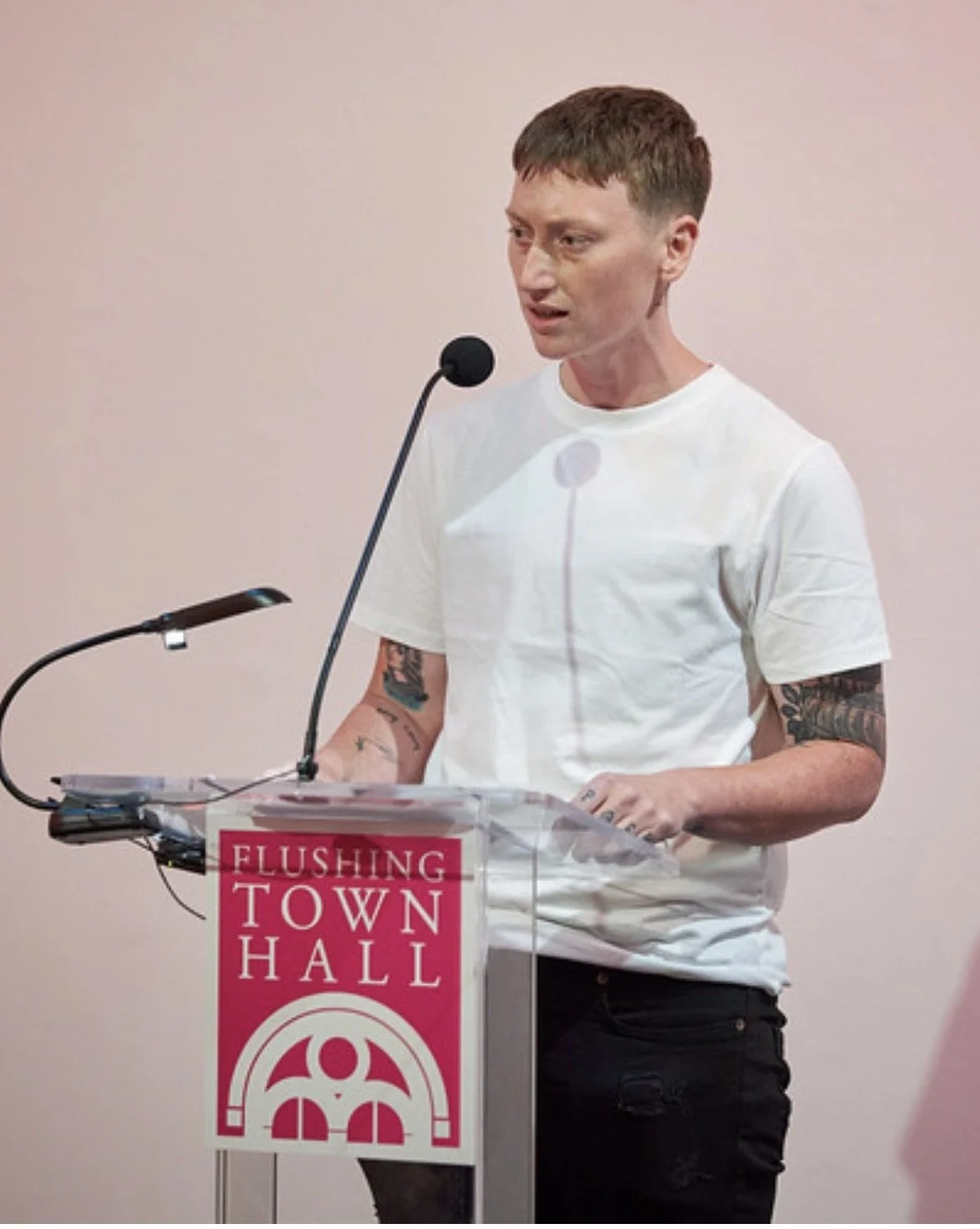
Meet Kir
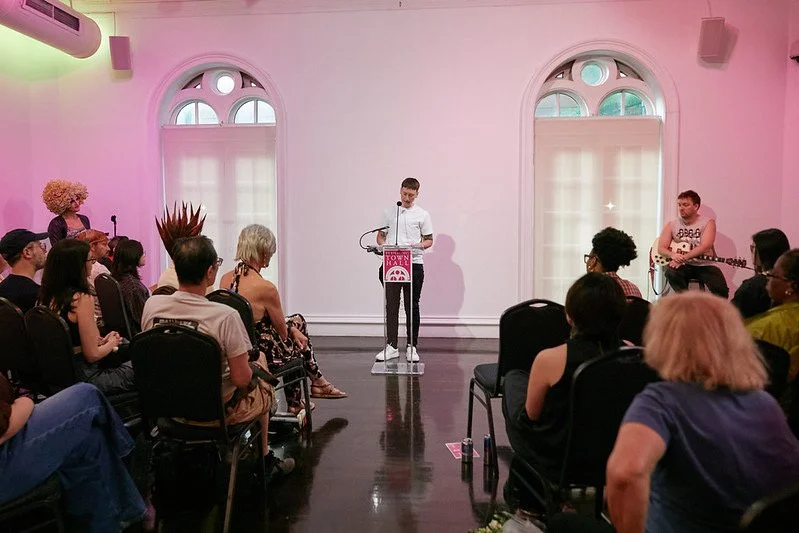
Kir O'Hanlon brings a systems-level vision to Second Story Solutions. As Director of Strategy and Partnerships, Kir has spent their career serving girls and women impacted by trafficking, exploitation, trauma and substance use—providing direct services, managing safe houses, conducting research, developing programming, and training professionals on the frontlines. Across every role, one belief has stayed constant: people are capable of extraordinary change when they're met with the right combination of accountability, compassion and opportunity. Kir specializes in organizational partnerships, curriculum development, trauma-informed programming and systems change, with a particular passion for strengthening the environments where recovery happens.
That work is grounded in lived experience. As a person in recovery with a complex trauma history, Kir understands firsthand what it means to be written off—and what becomes possible when someone refuses to give up on you. While their heart is with the individuals they serve, their mind is always on the systems that shape those lives, and how those systems can better meet the needs of the people they were built to serve. At Second Story Solutions, Kir channels both instincts into building partnerships, training, and programming that help organizations become places where lasting recovery can take root.
What We Do
Second Story Solutions strengthens the environments where recovery actually happens. We were founded on a simple observation from decades of frontline work: people don't experience addiction, trauma, housing, relationships and identity as separate problems—they experience them all at once—yet the systems built to help are, by necessity, specialized. Our work bridges those gaps. We enhance the treatment, therapy, housing and case management already doing vital work. We do this through three connected service branches, each built on the belief that recovery is about far more than sobriety—it's about building a life that feels meaningful, connected, and worth protecting.
Training. We equip the professionals who walk alongside people in recovery with the tools to engage them more effectively. Grounded in both lived experience and years of professional practice, our trainings move beyond lecture into experiential learning, honest conversation, and practical application. We help staff understand the individual, the group, and the environment—the three levels of influence that shape whether someone leans into recovery or quietly pulls away. Available as a full two-day experience, a focused one-day training, or topic-specific workshops, each is tailored to an organization's population, goals, and culture.
Recovery Engagement Partnerships. We partner directly with nonprofits, recovery residences, and transitional programs to deliver recovery-focused programming that builds recovery capital—the relationships, skills, community, and sense of purpose that research consistently links to long-term recovery. Working within each organization's existing framework, we provide interactive groups, real-world recovery practice, community engagement, and a full twelve-month curriculum designed to help clients navigate their first year of independent, substance-free living. It's a way for organizations to extend specialized recovery support and strengthen continuity of care without hiring additional staff.
Continued Recovery Support. For individuals and their families, we offer one-on-one support during the vulnerable transition from structured treatment into everyday life. Recovery doesn't end when treatment does—in many ways, that's when the real work begins—and our role is to walk alongside people as they strengthen healthy coping skills, build community, navigate obstacles, and stay accountable to the goals they've set for themselves. This support complements, and never replaces, therapy, clinical treatment, sponsorship, and medical care, adding a consistent layer of encouragement and accountability as people build lives they want to protect.
What Sets Us Apart
Peers + Professionals
We pair the credibility of lived recovery experience with years of professional training in addiction, trauma-informed care and program development. We turn connection into practical, evidence-informed strategy.
Program Enhancement
Rather than duplicating the work you're already doing, we strengthen it by adding a layer of support, accountability and engagement that helps recovery take root and last.
It’s An Inside Job
As people in long-term recovery ourselves, we don't believe in the individuals you serve from a distance. We connect with them authentically because we've lived what they're navigating.