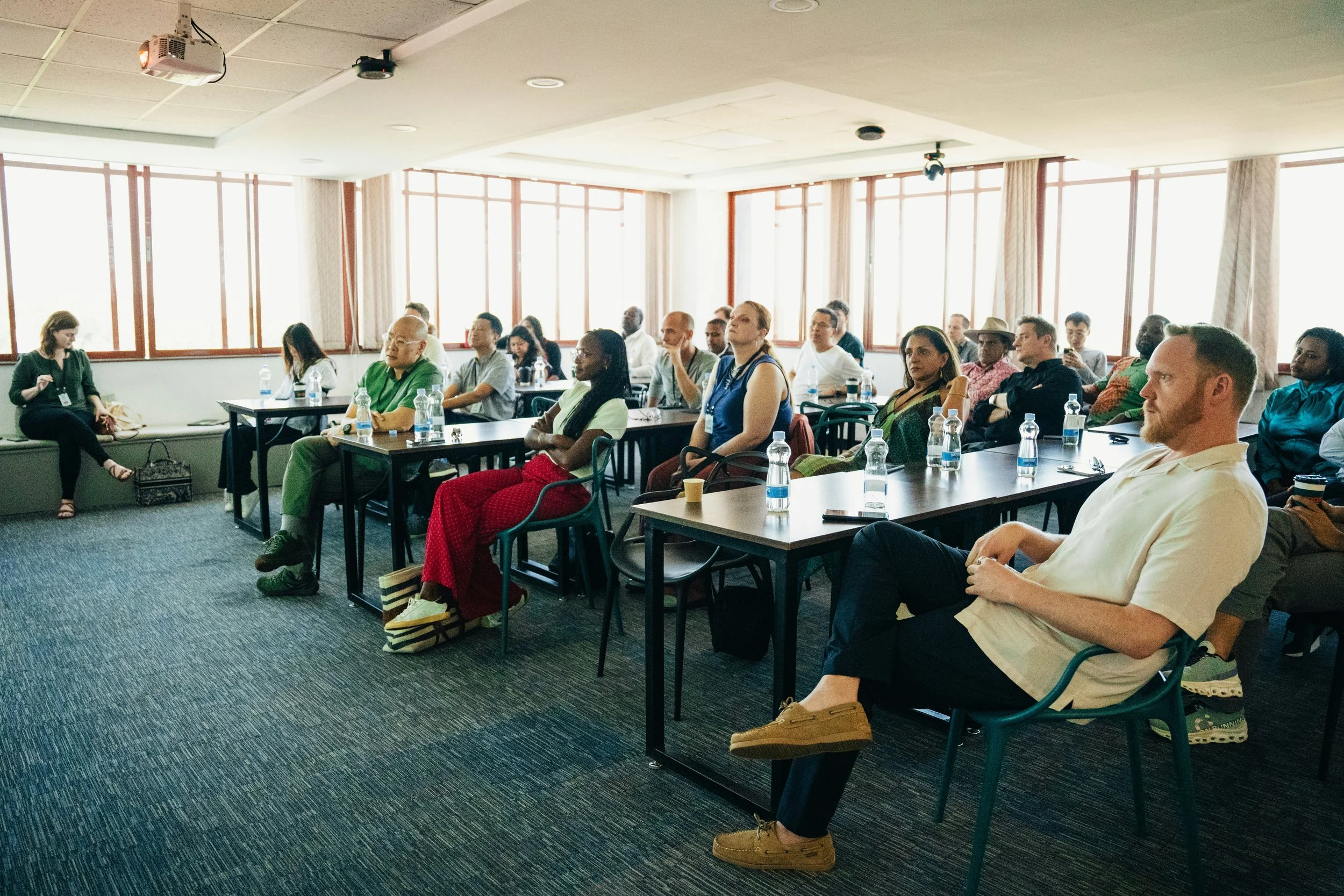
Trainings, Partnerships & Support
Everything we do is built on one belief: Recovery is strongest when you don’t try to navigate it alone. Through professional training, ongoing organizational partnerships and one-on-one support, we help build the relationships, skills and environments where recovery can take root and last, extending and enhancing the core work you're doing.
Training Options
Bridging The Gap Series
Complete Training (3 Days)
The full Bridging the Gap model, level by level. Day one focuses on the individual—trauma, substance use, shame, trust, and the survival responses that shape behavior. Day two moves into the group, a hands-on day where participants experience facilitated groups themselves, then examine what made them work. Day three widens the lens to the environment: staff dynamics, organizational culture, burnout, and the connection between how staff are treated and how clients experience care.
Core Training (2 Days)
The individual and the group—our most direct-service-focused option. Ideal for teams who want to strengthen engagement, group facilitation, and emotional safety without the full organizational deep-dive.
Focused One-Day Trainings
A single area of practice, drawn from the full curriculum:
Facilitating Vulnerability — building the trust and safety that make honest participation possible.
Beneath the Surface — understanding what drives behaviors that read as resistant or self-defeating.
Building Environments Where People Flourish — how staff culture and client experience shape one another.
Focused Workshops
Concentrated, experiential sessions on a single concept—strategic vulnerability, looking beyond behavior, building teams that last, and preventing burnout in the people who do this work. Workshops can stand alone or combine into a custom training day.
Recovery Engagement Partnerships
The Application Stage
When we built Recovery Engagement Partnerships, we kept returning to one question: What actually helped us stay sober? For us, like so many people in recovery, lasting change didn't come from waiting to feel motivated or understanding ourselves a little better. It came from action. Showing up when we didn't want to. Reaching out instead of isolating. Practicing new behaviors over and over until they slowly became a way of life. REP is built to give participants repeated opportunities to do exactly that: To practice the tools of recovery in a safe, structured, community-driven environment until recovery becomes something they live rather than something they perform.
REP partners with organizations to extend recovery support without adding to your staff's load. By reducing isolation and increasing meaningful engagement, we help participants strengthen sober support networks, build consistent recovery habits, and create lives they no longer have to survive—supporting your organization's efforts to reduce relapse and recidivism along the way.
The REP Model
Every week is built around four components. Each serves a different purpose, but together they create a cycle of reflection, action, accountability, and community.
Group
Every week begins here. In a safe, facilitated setting, participants explore the week's topic and do the honest internal work of recovery alongside peers navigating the same challenges. As trust develops, the group becomes a community where participants challenge and encourage one another, and start realizing they no longer have to do this alone.
Independent Assignment
Recovery doesn't stop when group ends. Through writing, reflection and intentional practice, participants continue the work throughout the week deepening self-understanding while building accountability and personal responsibility.
Daily Action
Insight alone rarely changes behavior. A simple daily practice helps participants turn what they're learning into consistent action, establishing routines and healthier ways of responding to everyday life. Lasting recovery is rarely one profound moment; more often than that, it's small actions practiced consistently over time.
Community Application
Recovery has to exist outside the walls of a program if it's going to last. Each week, participants bring what they're learning into their everyday lives—building sober relationships, asking for help, attending meetings, being of service—creating real-world opportunities to practice recovery and build the community they'll rely on long after formal services end.
Interested in any of these for your team? Want to discuss which service is right for you? Reach out and we’ll set up a free consultation.
Continued Recovery Support
Continued Recovery Support (CRS) provides individualized support for people navigating recovery and the families walking alongside them. Sessions focus on turning insight into action, strengthening recovery in everyday life, and working through the challenges that emerge outside structured treatment environments.
CRS is designed to complement treatment, therapy, sponsorship, and other recovery supports. Whether someone is transitioning out of a higher level of care, working to strengthen an established recovery, or navigating challenges along the way, we meet them where they are and help them keep moving forward.
What Sets Us Apart
Peers + Professionals
We pair the credibility of lived experience with years of professional training in addiction, trauma-informed care and program development. We turn connection into practical, evidence-informed strategy.
Program Enhancement
Rather than duplicating the work you're already doing, we strengthen it by adding a layer of support, accountability and engagement that helps recovery take root and last.
It’s An Inside Job
As people in long-term recovery ourselves, we don't believe in the individuals you serve from a distance. We connect with them authentically because we've lived what they're navigating.